Most homeowners already know the language of energy.
Or at least, we think we do.
We talk about the grid as if it’s a single thing. We think of batteries as backups. We assume power flows in one direction, decisions are manual, and more capability always means more complexity.
That mental model made sense for decades. It no longer does.
What this article explores: This article describes how energy terms such as private grid, local energy sources (DERs), V2H / V2X, AC / DC, bidirectional, energy storage (capacity) are currently understood and reframes them to mark a quiet shift in how homes, produce, use and think about energy. Together, these repurposed terms help tell the story of the private grid.
Private grid
What we assume:
Your home is either “on the grid” or “off the grid.”
Why that no longer holds:
Modern homes sit somewhere in between.
A private grid is what happens when your home stops depending on a single external system and starts operating as a network of its own. The public grid doesn’t disappear; it simply stops being “the boss.”
Instead of passively taking power whenever it’s available, your home can choose when to rely on the grid, when to rely on itself, and how to balance the two. Energy becomes that something your home actively manages and not something that just passes through it.
Rather than isolating your home, a private grid empowers you to make decisions about how and when to use energy.
Local energy sources (DERs)
What we assume:
Solar panels, batteries, and EVs are individual upgrades.
Why that no longer holds:
On their own, they are separate devices. Together, they act like one system that works harmoniously.
Distributed Energy Resources, or DERs, are the pieces that live at or near your home that can produce, store, or shift energy. Some examples are solar panels, home batteries, and EVs sitting in your driveway.
The shift isn’t that more homes have these devices. It’s that these devices are starting to behave like a system. Once they’re connected and coordinated, your home becomes an active participant in energy flow, not just a customer at the end of a wire.
V2H / V2X
What we assume:
Your car consumes energy and your home supplies it.
Why that no longer holds:
Sometimes, your car is the battery.
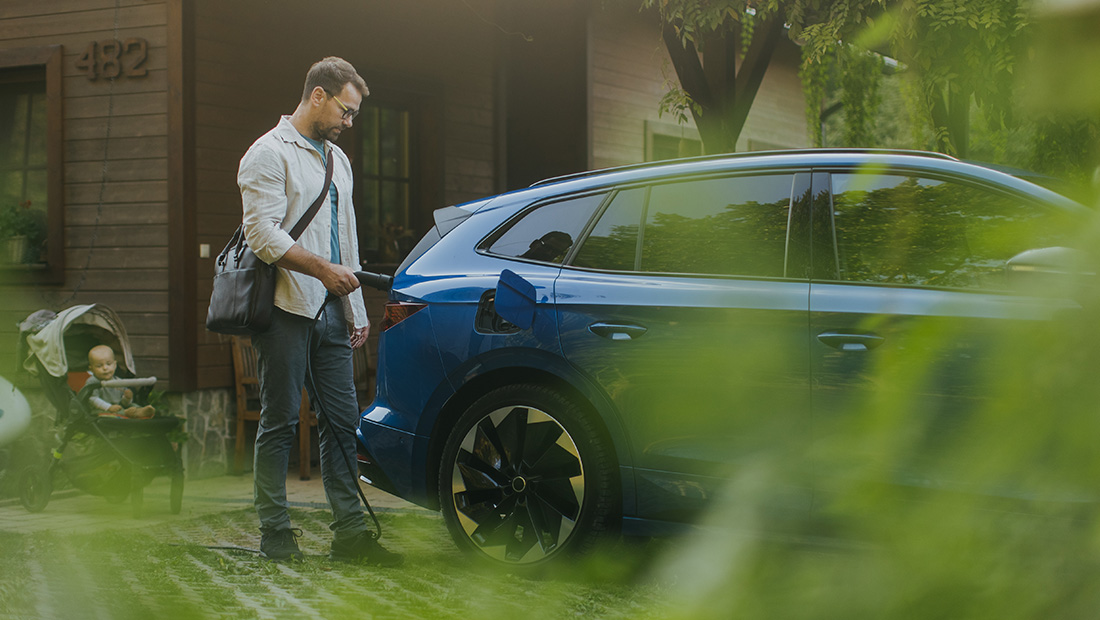
Vehicle‑to‑Home (V2H) and Vehicle‑to‑Everything (V2X) describe a simple but powerful idea: energy doesn’t have to stop at the vehicle. It can flow back.
That means the largest battery most homeowners will ever own does more than drive. It can support your home during peak hours, extend backup power during outages, or store solar energy (or cheap off-peak grid energy) for later use.
This makes the one of the most important rooms in the house—think of it as your home’s own Batcave, where energy powers up for every adventure.
AC / DC
What we assume:
This is technical trivia best left to the electricians.
Why that no longer holds:
It explains why homes waste energy without realizing it.
Most energy produced by solar panels and stored in batteries is DC. Most homes run on AC. Every time energy switches between the two, some of it is lost.
For decades, that loss was unavoidable, but with modern systems, it can be reduced, managed, or eliminated entirely. When energy stays in the form it was created or stored in for longer, more of it reaches the places that matter.
It’s all about your home quietly becoming more efficient by design.
Bidirectional
What we assume:
Electricity flows one way.
Why that no longer holds:
Modern homes both draw power and send it back to the grid.
Bidirectional energy flow means your home can import energy when it makes sense and export it when it’s useful or valuable. The same goes for your EV.
This two‑way relationship changes everything: energy is no longer something you simply buy. It’s something that you manage, store, and (sometimes) share.
When energy flows in both directions, your home becomes an active part of the energy system, and not just the end of the line.
Energy storage (capacity)
What we assume:
Batteries are for emergencies.
Why that no longer holds:
Most of their value shows up well before an outage happens.
Energy storage is often framed as a safety net.
In reality, it’s more like a buffer.
It smooths out volatility, it lets your home capture low‑cost or self‑generated energy and use it when conditions change.
The question stops being “How long can the battery last?” and becomes “What does storing energy allow my home to do differently every day?”
Backup is just one chapter in a much longer story.
Managed energy system (vs. fragmented systems)
What we assume:
Adding more energy tech means managing more apps, rules, and exceptions.
Why that no longer holds:
Complexity doesn’t scale well but systems do.
A managed energy system coordinates everything behind the scenes: solar, storage, EVs, and grid interactions stop competing for attention and start working together.
Instead of you deciding when to charge, store, or switch sources, the system makes those decisions continuously based on your priorities, whether that’s comfort, cost, or resilience. You set the intention and the system handles execution through its intelligence layer which observes patterns, understands constraints, and improves decisions over time.
The real upgrade for your home isn’t more hardware but fewer decisions on your part.
Building the private grid (staged adoption)
What we assume:
You have to do everything all at once.
Why that no longer holds:
Private grids are built over time.
Most homes don’t become private grids overnight. They grow into them – solar added first, a battery later, an EV down the line.
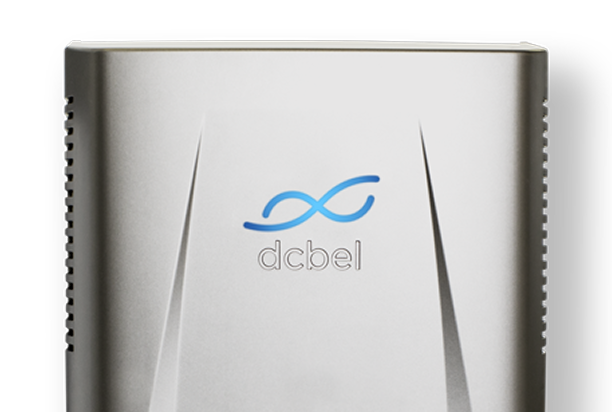
Ara, the Home Energy Station from dcbel, is designed for that reality. It brings these systems together from day one, so each addition builds on what’s already there instead of starting over.
When systems are designed to work together, each addition increases the value of what’s already there: every upgrade makes the home more useful.
The private grid isn’t a leap. It’s a path.
The shift underneath all of this
The biggest change isn’t technological – It’s conceptual.
Homes are no longer endpoints, energy no longer flows one way, and control no longer requires constant attention.
A private grid is what emerges when all of that becomes true at the same time.